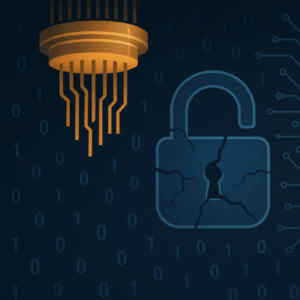
Quantum computing poses a significant threat to current encryption systems, making sensitive data vulnerable to future decryption by cybercriminals using "harvest now, decrypt later" tactics. To mitigate this risk, organizations must adopt post-quantum cryptography (PQC) standards, such as those developed by NIST, and integrate them into their data infrastructure to ensure long-term security and maintain trust in a quantum-powered future.
Why Cyber-Physical Security Must Be a Leadership Priority
Australia’s critical infrastructure faces escalating cyber-physical threats, with adversaries targeting ...
Securing AI isn’t just about defending against cyber threats - it’s about establishing governance frameworks that ensure AI is used responsibly. With AI adoption ...
Discover how ColorTokens' integrated Zero Trust solution enhances security by unifying Identity Governance, Microsegmentation, and Software-Defined Perimeters.
The threats posed by AI are distinct in many ways from those that target user identity, software code, or business data. While traditional cybersecurity risks often focus on ...
With AI reshaping industries at unprecedented rates, findings from the 2024 CISCO Live Report suggest Australian companies are trailing, with only four percent ready to ...
Sharryn Napier, VP, GitHub, shares her predictions for 2026 in the wake of 2 million+ developers in Australia now building on the platform and as the government announces its ...
DroneShield Limited (ASX:DRO) has announced it has received a contract for $49.6 million from an in-region European reseller that is contractually required to distribute the ...
New findings demonstrate how democratised AI tools like Microsoft Copilot Studio can inadvertently leak sensitive data and execute unauthorised financial actions
Veeam reinforces #1 global leadership in Data Resilience and welcomes 600 AI and security experts; Securiti AI CEO Rehan Jalil joins as President of Security and AI
Powerful multicloud database service will help customers in Canada improve analytics and AI productivity, address data residency regulations, and accelerate IT modernization