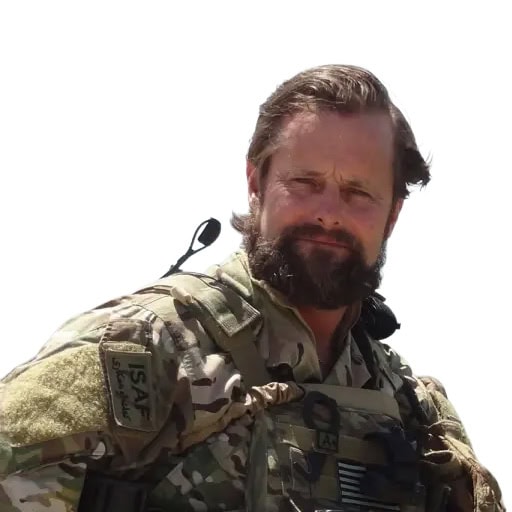


According to Michael Loewy, Co-Founder of Tide and a veteran in the field of cybersecurity, the reality is that our cybersecurity defences are crumbling.
"The industry is broken," he declares.
What's broken about it?
"Just open the news," he urges, pointing to the incessant barrage of headlines detailing mass data breaches and compromised infrastructures.
With advances in technology like Artificial Intelligence, these breaches are becoming not only more frequent but also increasingly devastating.
“Over $300 billion is invested into cybersecurity every single year. Yet, damages have ballooned to a mind-numbing $10 trillion and are growing 23% annually.” Loewy pointed out.
According to Loewy our cybersecurity strategies are, unequivocally, not working. Australia stands out as particularly vulnerable. He suggests that the nation’s risk-averse nature has rendered it complacent. Unlike their counterparts in the US or the UK, Australian entities frequently wait for permission to innovate, remaining on the backfoot.
A reflection on the recent high-profile breaches at Optus and Medibank as a recent example. Is our cultural complacency to blame?
Loewy refers to Israel as a counterpoint, a nation often regarded as a cybersecurity titan, credited largely to its high-stakes environment that necessitates innovative and effective solutions. Australia unfortunately lacks the same approach.
Traditional security measures—solutions that he decries as mere "band-aids." The way the world is today cannot be secured by medieval walls and "guards"; it demands a completely different paradigm.
Loewy went on to say, "You're playing a game of whack-a-mole that you can't win."
Despite what companies are saying – Zero Trust model has its vulnerabilities.
"Even in Zero Trust architectures, when core systems like Identity and Access Management get breached, it's game over,” he cautions.
With emerging technologies like AI accelerating the pace of both attacks and innovations, the window for action is narrowing even faster than before. Loewy’s thoughts are a warning and that the tides might be turning as more stakeholders recognise the flaws and seek out new ways to improve their defences.
"The responsibility is now a C-level concern," he remarks, hinting at a nascent shift towards stronger and more effective cybersecurity strategies.