

Customers no longer want to live inside a walled garden. Requirements and workloads change, more frequently now with AI powering those decisions.
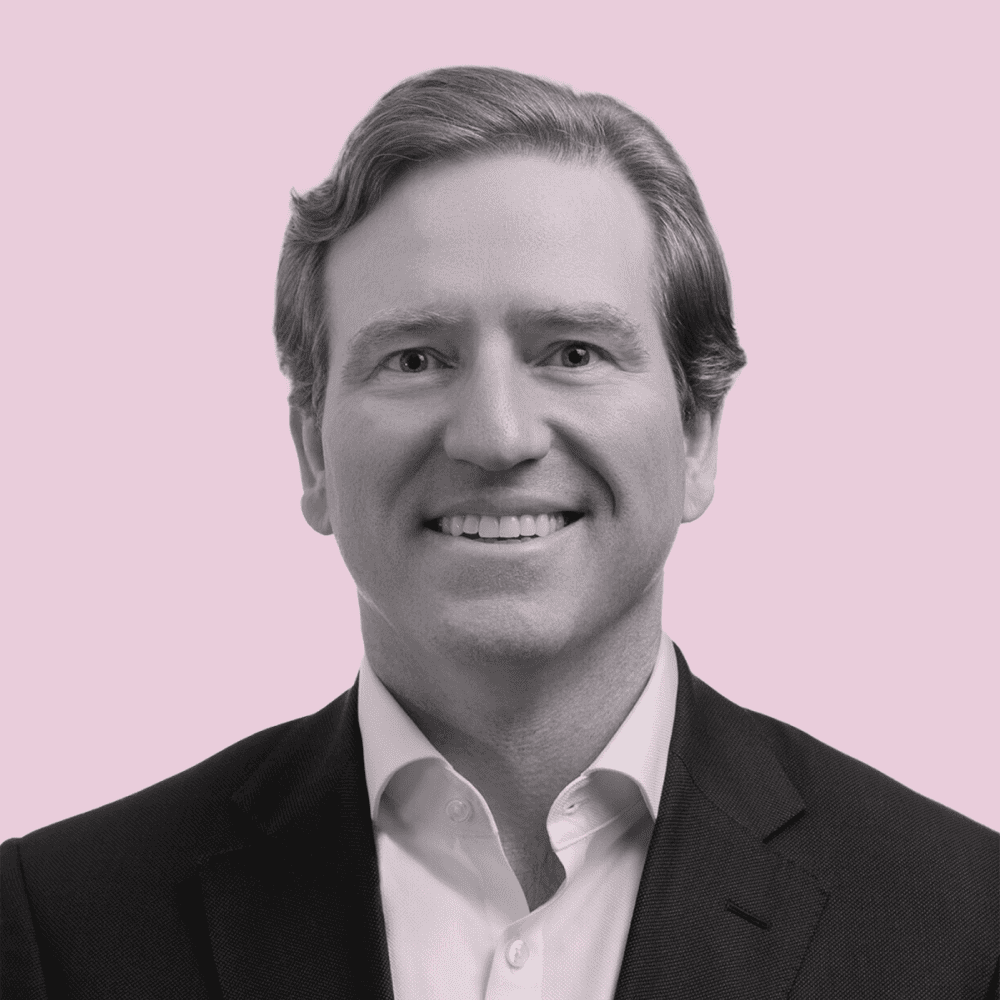
Oracle Cloud Infrastructure’s Senior Vice President of Product Management Nathan Thomas laid out how AI, sovereignty demands, and rising customer expectations are forcing hyperscalers into a new paradigm, one where cloud providers must cooperate with competitors or risk losing customers entirely.
“The customers are highly empowered to make shifts to different technology,” Thomas said. “You absolutely cannot rely on the idea that migration is too difficult or customers will get locked in in some tier.”
Historically, cloud providers were focused on getting customers in, keeping them there, and creating friction when trying to leave. According to the Oracle executive, AI may have fundamentally shifted that model. Thomas said customers are now demanding cloud environments that span multiple hyperscalers simultaneously, blending Oracle, Microsoft Azure, AWS, and GCP together in ways that would have once been considered commercially unrealistic back in the day. And Oracle believes AI accelerated the collaboration.
“Customers are looking at this massive value opportunity that AI represents,” Thomas explained. “They want to take advantage of the data in their Oracle databases to go fuel that AI value.”
Thomas said many enterprises have already built AI pipelines across multiple cloud vendors. That means hyperscalers can no longer behave like isolated kingdoms. Instead, Oracle is now physically deploying Exadata hardware inside partner cloud providers’ data centres, including Microsoft Azure, AWS, and Google Cloud Platform. Thomas admitted the process was neither simple nor quick.
“It was a massive lift,” he said. “We had to establish commercial relationships… land all of that hardware globally and set up the networks.”
Customers now have leverage. And they know it.
According to Thomas, enterprises are becoming increasingly intolerant of vendor lock-in, downtime, and inflexible infrastructure models, particularly as AI workloads explode and geopolitical concerns intensify.
“You have to be proving your value every single day,” Thomas said.
That pressure is being compounded by sovereignty requirements globally, particularly across Europe and Asia-Pacific. Thomas described sovereignty as no longer a temporary trend, but a structural shift reshaping cloud infrastructure decisions worldwide.
“This feels like a very big groundswell that I think has momentum that is going to be persistent,” he said. “I feel like this is not going to be a wave that ebbs.”
Oracle says it now operates more than 200 OCI regions globally alongside sovereign cloud offerings and distributed cloud solutions designed to meet local compliance requirements. Hyperscalers still remain competitors, even whilst partnering together.
“It’s always a little fearful to say I’m going to remove what might be perceived as a protectionist element of a business and instead rely on our strengths as a cloud vendor,” Thomas admitted.
Yet Oracle believes the economics of AI are forcing collaboration. Thomas argued that AI infrastructure costs are becoming so enormous that enterprises simply cannot afford inefficiency anymore.
“Customers are hugely demanding at the moment,” he said. “…I think not every vendor in the data AI platform space is really positioned to fully meet those needs.”
Customer demand extends beyond innovation. Customers now expect (at a high level):
- Portability
- Resilience
- Sovereign controls
- Lower latency
- Zero downtime
- Multi-cloud interoperability
- Simplified commercial agreements
- AI-ready infrastructure
This is ultimately changing how hyperscalers operate. Thomas also warned that ‘vibe coding’ and other AI-driven tooling is making migration simpler every day, lowering barriers for customers to move between technologies faster than ever before.