

Introduction
The line between physical security and cybersecurity is officially done and dusted. Experts warn companies that fail to adapt are putting their entire business at risk as both of these worlds interchange.
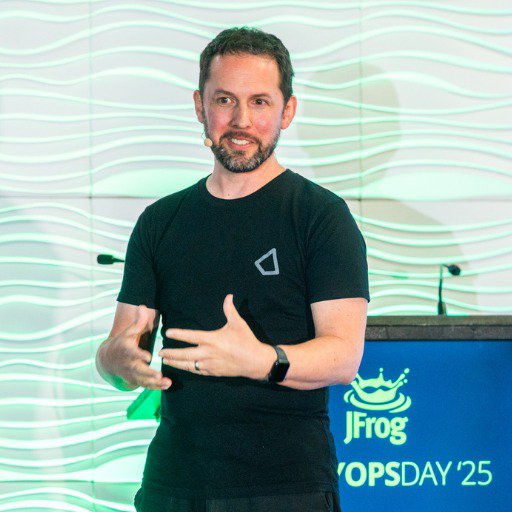
Simon Cook, Director of New Offerings at Genetec observes the physical and security world stating “Everything has changed, right? In the last 3-5 years.”
The numbers do tell the story.
“What used to be around 10 billion connected devices in 2020 has now surged to between 18 and 21 billion,” Cook explained and many of them are physical security assets like cameras, access controls, and IoT systems.
The attack surface is spiralling out of control and as a result, it’s hitting the bottom line.
Cook warned that cybersecurity is now a full blown business risk, with companies facing skyrocketing cyber insurance costs and growing exposure to sophisticated attacks.
“Attacks are getting smarter and faster,” he said, pointing to the risks created by a hyper connected, remote first world.
For decades, physical and cyber teams operated in silos. That model is now dangerously outdated.
“I used to talk about cameras, frame rates and storage,” Cook said. “Now I’m talking about compliance, data ownership and sovereignty.”
A Change In Perception
People still picture physical security as some bouncer at a pub protecting the premise, and cyber as some technical personal with a laptop. But that divide, is now a liability and that divide needs to come together.
Even something as simple as a camera can become a launchpad for a major breach. The gateway can start in your physical device and move laterally into your organisation.
“If it’s not secured… it’s a potential springboard for a nefarious actor to get into the network and do more damage.” Cook added.
That harmless device on the wall of your office kitchen could be the entry point into your entire network.
Governments are already tightening the screws and the penalties that come with it are brutal.
Cook pointed to GDPR enforcement as a wake up call, warning companies that ignoring compliance could cost them up to 4% of global revenue or €20 million.
Conclusion
The biggest shift across the marker is that trust is no longer assumed, it must be constantly proven.
“Trust is not set and forget. It’s dynamic,” Cook said.
Organisations must now demand continuous evidence from vendors, not promises and bravado.
Trust in today’s world needs to be measurable and an ongoing obligation and the shift is happening, but there is still more work to be done.