

Introduction
Most organisations still treat AI as a program to control, a platform to roll out, or a governance issue to contain. That is understandable, but it is no longer enough. The real question is much sharper: can your best people build with freedom, speed, and confidence inside your organisation? Because if they cannot, someone else will. That is now the competitive divide.
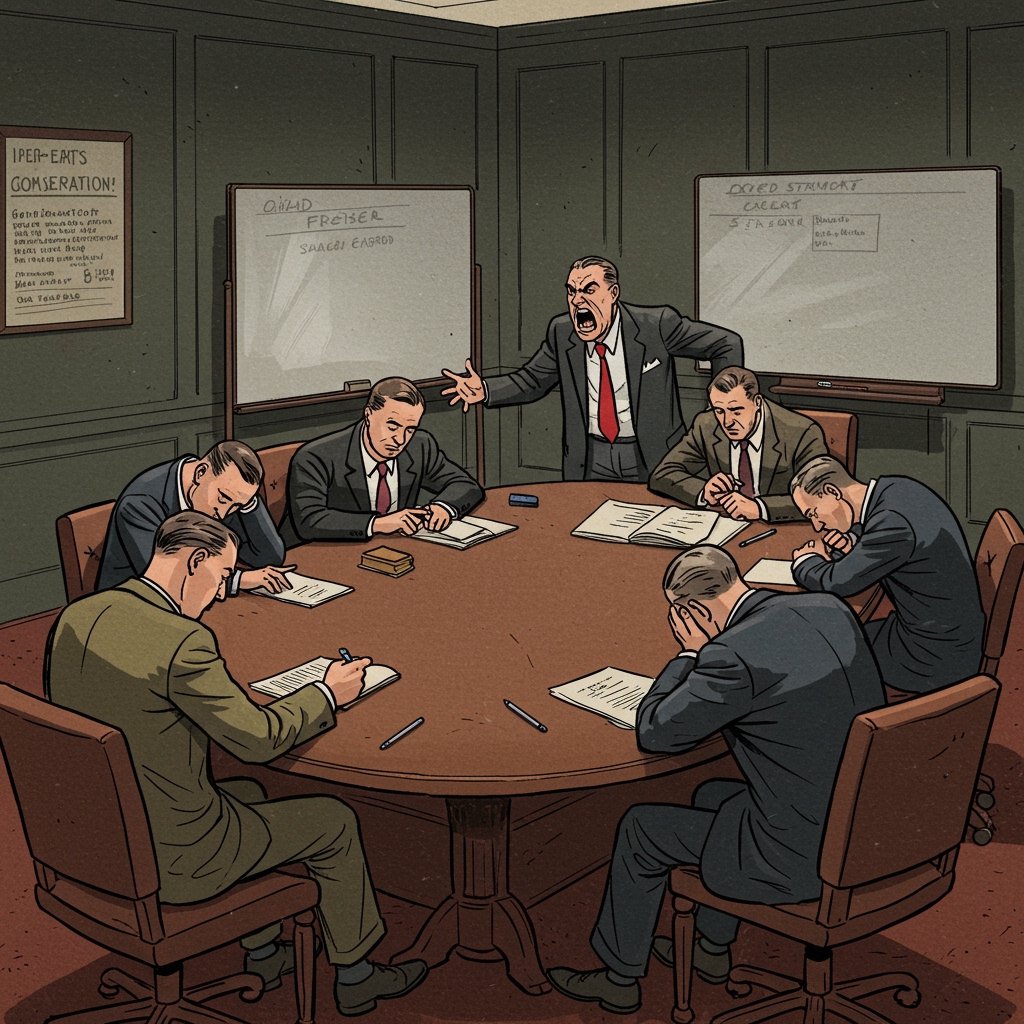
AI is changing the economics of execution. A capable solution builder with the right tools can now prototype an internal app, automate a workflow, design an agent, test a customer-facing use case, or reshape a decision process in days, sometimes hours. In many organisations, however, that same person still has to navigate layers of approvals, project gates, steering meetings, architecture forums, and old delivery rituals before anything meaningful can begin.
By then, momentum is gone. The companies pulling ahead are not always the ones with the biggest AI budgets. They are often the ones that allow smart people to create at will within safe boundaries. That distinction matters. Freedom in the AI era does not mean chaos. It means giving people the ability to build tools, solutions, and agents quickly, while still operating within strong governance, security, and compliance standards.
Freedom Without Guardrails Is Reckless – Guardrails Without Freedom Are Paralysis
This is where many leadership teams get the balance wrong. Some hear the call for AI freedom and imagine unmanaged risk, shadow systems, and uncontrolled experimentation. Others respond by tightening every approval path, which creates a slower but equally dangerous outcome: institutional paralysis. Both approaches fail.
What organisations need instead is bounded autonomy. That means approved environments, clear security patterns, identity controls, auditability, model-use policies, data classification, and fast, practical escalation paths. It means people should know exactly what they can build, where they can build it, what data they can use, and when they need a deeper review. The aim is not to slow down creators. The aim is to create a safe lane for speed.
This is not just a technology issue. It is a leadership issue. Technical and business leaders must work together to enable this environment. CIOs, CTOs, CISOs, product leaders, and business executives all need to align around the same principle: responsible experimentation should be easy, not exceptional. If the business says it wants AI-driven productivity but keeps forcing talent through legacy project models, then the organisation is contradicting itself. And that contradiction is expensive.
The Real Threat Is Not Resistance – It Is Irrelevance
Many long-standing workflows are now being challenged. Traditional project management structures, rows of status meetings, repeated handoffs, lengthy scoping sessions, and manual estimation cycles are starting to look outdated in AI-enabled environments. An agent can already help scope work, estimate complexity, compare solution paths, draft requirements, stress-test assumptions, and help a builder self-evaluate before a formal project structure even starts.
That will unsettle people. Some tasks that were valuable for years will shrink, change, or disappear. Some roles will need to be redefined. Some people will resist, either quietly or openly, because AI challenges not only the process, but also the identity. It asks people to rethink where their value really sits. That is why leadership must do more than push tools into the organisation. Leadership must help people transition.
Some employees will adapt and become builders, orchestrators, reviewers, or AI-enabled operators. Others may not become technical creators, but they can still add value by bringing domain knowledge, validating outputs, improving quality, guiding risk decisions, training others, and helping new thinkers scale good ideas. There is still a place for them, but not in defending yesterday’s workflow simply because it is familiar.
That option is fading fast. There will also be people who continue to resist until the market leaves them behind. That is the harder truth many organisations avoid saying out loud. In the coming years, refusal to adapt will not just limit progression. In some cases, it will make people unemployable in their current form. The economy is changing too quickly for resistance to remain a viable long-term strategy. This is why the leadership response must be both firm and constructive. Do not humiliate people for being disrupted. Do not allow them to block progress either. Help them rethink their contribution. Help them work with new builders. Help them move from routine execution to higher-value support. But make the direction unmistakably clear: the organisation is moving toward AI-enabled creation, and everyone must find their place within that future.
Conclusion
The strategic point is simple. If your best AI talent still needs permission to create, then your organisation is signalling mistrust, friction, and delay. Meanwhile, competitors are giving their people the tools, freedom, and confidence to build.
And in the AI era, the firm that learns faster will usually win faster.
The real leadership challenge is no longer whether to adopt AI. It is whether to create an environment where capable people can turn AI into action without being trapped by outdated systems, mindsets, and power structures. Because if you do not make that shift, your best people will not wait. They will go where creation is easier. And once that starts happening, the talent loss will not be the beginning of the problem. It will be the proof that the problem was already there.